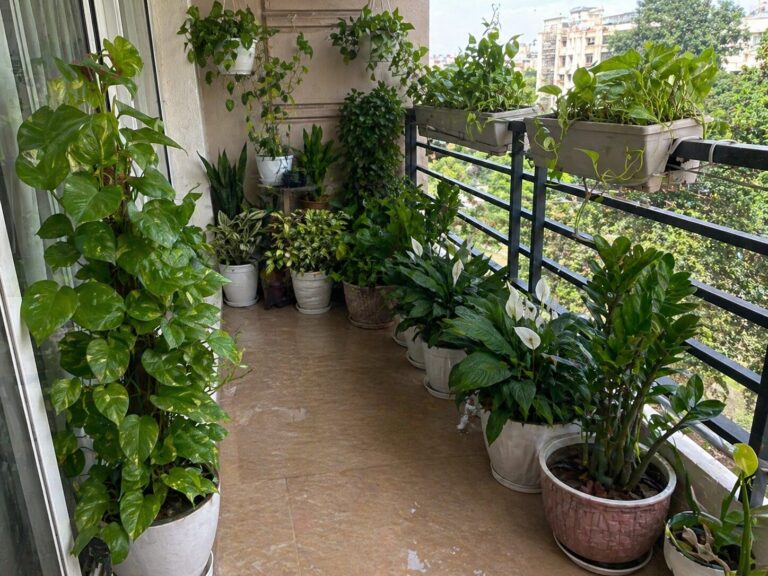
Plants for Stress Relief and Anxiety: What Science Actually Says?
You come home after a long day, drop your bag by the door, and the first thing your eyes land on is that little pothos on your windowsill, leaves stretching toward the light. Something about it makes your shoulders drop half an inch. That’s not a coincidence and it’s not just “plant people” imagining things. Over the last two decades, researchers across psychology, environmental science, and public health have been quietly building a case that plants do something measurable to the human nervous system. Not a cure for anxiety. Not a replacement for therapy or medication. But a genuinely useful, low-cost tool for taking the edge off a stressful day one that more and more people are turning to as their homes double as offices, gyms, and everything else. At Theplants.store, we get asked constantly: “Will a plant actually help my anxiety, or is that just marketing?” So we dug into the research. Here’s the honest answer.
The Science Behind Plants and Stress Relief
1. Interacting with plants can lower physiological stress markers
Several controlled studies have looked at what happens in the body not just how people say they feel when they spend time with plants. One frequently cited experiment split participants into two groups: one worked on a screen-based task, the other repotted an indoor plant, and then the groups switched. Researchers found that transplanting the indoor plants led participants to feel calmer, with measurable drops in physiological stress compared to the computer task. The plant task wasn’t just more pleasant it left an actual mark on the body’s stress response.
2. Soil itself may play a role in mood
This one surprises most people. A study identified a bacterium found in ordinary garden soil, Mycobacterium vaccae, that appears to trigger serotonin release in the brain the same neurotransmitter targeted by many antidepressant medications. So the act of getting your hands into potting mix while repotting a plant might be doing more than you think, quite literally at a biochemical level.
3. It’s not just about touch looking at plants matters too
You don’t need to be an active gardener to benefit. Simply observing plants and flowers is described as a peaceful, present-moment activity that engages the senses without demanding anything from you, and even something as small as noticing a flower’s scent has been linked to a drop in cortisol, the body’s primary stress hormone. This is part of why a single well-placed plant on a desk or nightstand can shift the feel of a room.
4. Indoor greenery shows up across dozens of studies
A recent scoping review pulled together research specifically on indoor plants and mental health outcomes. It found that access to indoor plants whether physical or just visual was linked to reduced emotional stress and anxiety, along with improvements in general wellbeing and cognitive performance, largely attributed to better visual comfort and air quality in the space. Notably, every study the review examined pointed in the same direction: indoor plants were associated with lower stress, fewer depressive symptoms, and reduced negative emotion, even though the size and depth of individual studies varied.
5. Gardening as a habit, not just a one-off
It’s not only about owning plants the activity of caring for them seems to matter. Research into therapeutic horticulture with university students found that a structured plant-care program led to real improvements in resilience along with measurable drops in stress and anxiety, at a time when many students are juggling academic pressure and burnout. Separate research done during the pandemic reached a similar conclusion: just ten minutes in a natural setting, or roughly two hours a week around greenery, was enough to show benefits like better relaxation, improved attention, and reduced anxiety and the physical act of gardening itself has been tied to lower depression and anxiety, plus better emotional wellbeing more broadly.
Why This Matters More in 2026
Hybrid work, constant notifications, and shrinking living spaces have made “home” double as an office, a gym, and a decompression zone often all before lunch. Unlike a wellness app or a subscription, a plant asks for very little and gives back constantly: a bit of water, some light, and in return, a living thing to check in on that isn’t a screen. That small daily ritual misting a leaf, rotating a pot toward the sun is often what people describe as genuinely grounding, not the plant itself.
Best Plants for Stress Relief and a Calmer Home
If you’re building your own calming plant corner, these are a great place to start:
- Snake Plant (Sansevieria) – nearly impossible to kill, purifies air, thrives on neglect.
- Lavender – its scent is widely used in aromatherapy for relaxation and better sleep.
- Pothos – low-maintenance, forgiving, and satisfying to watch grow and trail.
- Peace Lily – known for improving indoor air quality and adding a soft, calming visual presence.
- Aloe Vera – easy to care for, doubles as a practical addition to your home.
- Jasmine – its fragrance has been associated with reduced anxiety and improved sleep quality.
A Simple Way to Start
You don’t need a greenhouse or a green thumb. Start with one low-maintenance plant in the room where you spend the most unwind time your bedroom, your desk, your reading corner. Notice how you feel checking in on it each morning. That’s the whole practice.
At Theplants.store, we curate easy-care plants specifically chosen for people who want the calming benefits without the guesswork each one comes with simple care instructions so you’re set up to succeed from day one.
Frequently Asked Questions
Can plants really cure anxiety or depression? No. Plants are a supportive, low-cost addition to your routine not a replacement for professional mental health care. If you’re dealing with ongoing anxiety or depression, please talk to a doctor or licensed therapist.
How many plants do I need to see a benefit? Research suggests even one or two well-placed plants, cared for consistently, can offer noticeable benefits. It’s the interaction and routine that seem to matter most, not the sheer number of pots.
What’s the easiest stress-relief plant for a beginner? Snake plants and pothos are nearly impossible to kill and are great starting points if you’re new to plant care.
Looking to start your own calming plant corner? Browse our beginner-friendly, low-maintenance collection at Theplants.store.